
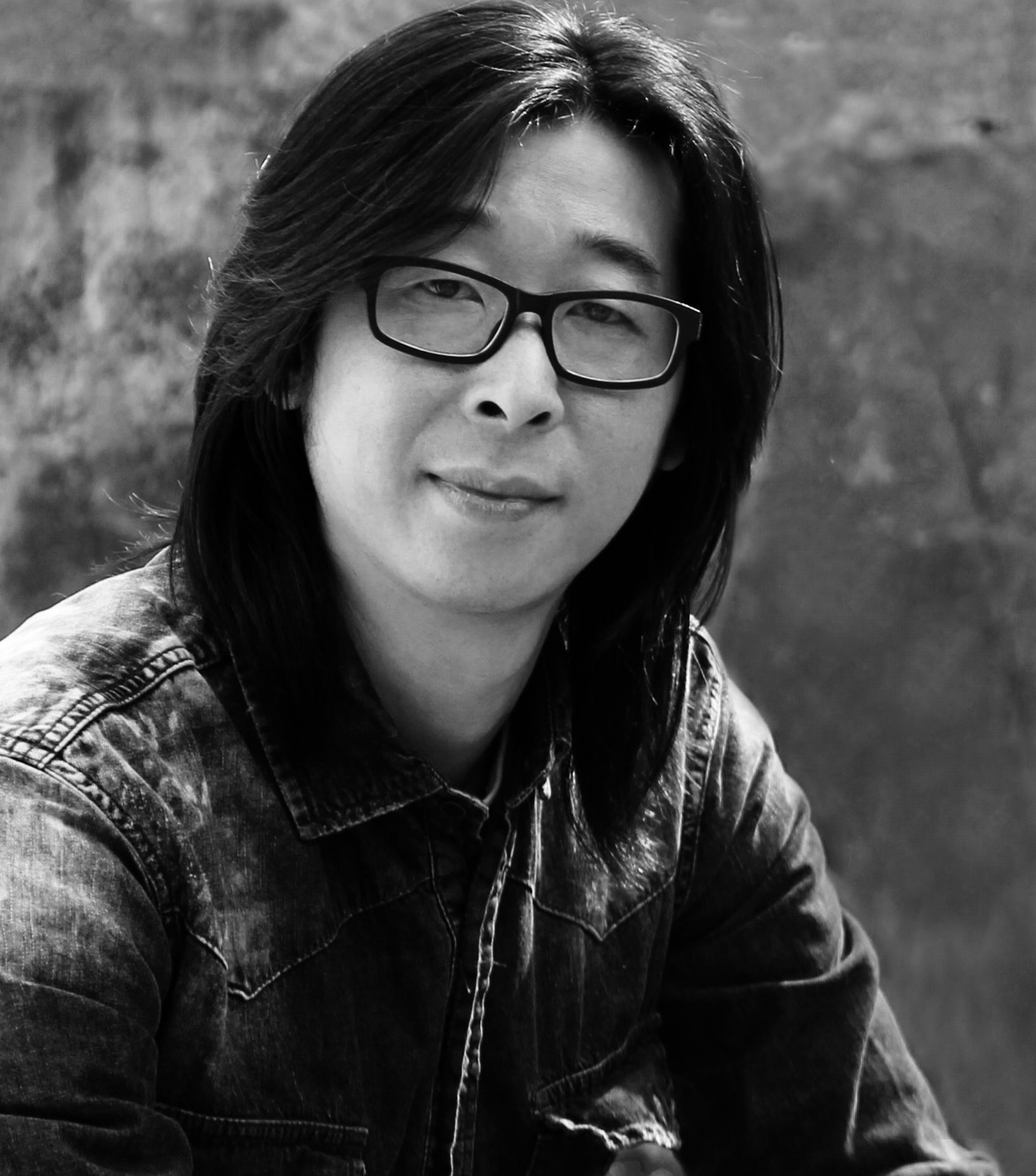
Ni Fang
Working for Zhejiang Yue Opera Troupe, Ni Fang is a State Class II Stage Designer and Director of China Institute of Stage Design.
His works have been participated in World Stage Design 2009, Technology and Invitational Exhibition of Chinese Stage Design in 2012 and 2013, Chinese Creative Stage Design•SHOW in 2014, The Third Chinese Stage Design Exhibition (Top Ten Excellent Designers) in 2015, CISD Invitational Exhibition of Young Avant-Garde Stage designers ( Exhibition of Nine Artists, Wuzhen) in 2016, as well as CISD Invitational Exhibition of Young Avant-Garde Stage designers and World Stage Design in 2017.
He hasbeen nominated for WSD World Stage Design Exhibition in 2009 and 2017. He has won Society Award granted by China Institute of Stage Design twice. He has also received awards for outstanding stage design from National Culture for a number of timnes.
Kunqu Opera Macbeth
Performed by Shanghai Kunqu Opera Troupeå
Time of premiere: December 3, 2015
Venue of Premiere: Drama Salon, Shanghai Dramatic Arts Centre
Scriptwriters: Yu Qingfeng,Qu Zhaojie
Director: Yu Manwen
State Design: Ni Fang
Lighting Design: Chen Xiaodong
Costume Design: Li Tingyi
Technical Director: Ni Guangjin
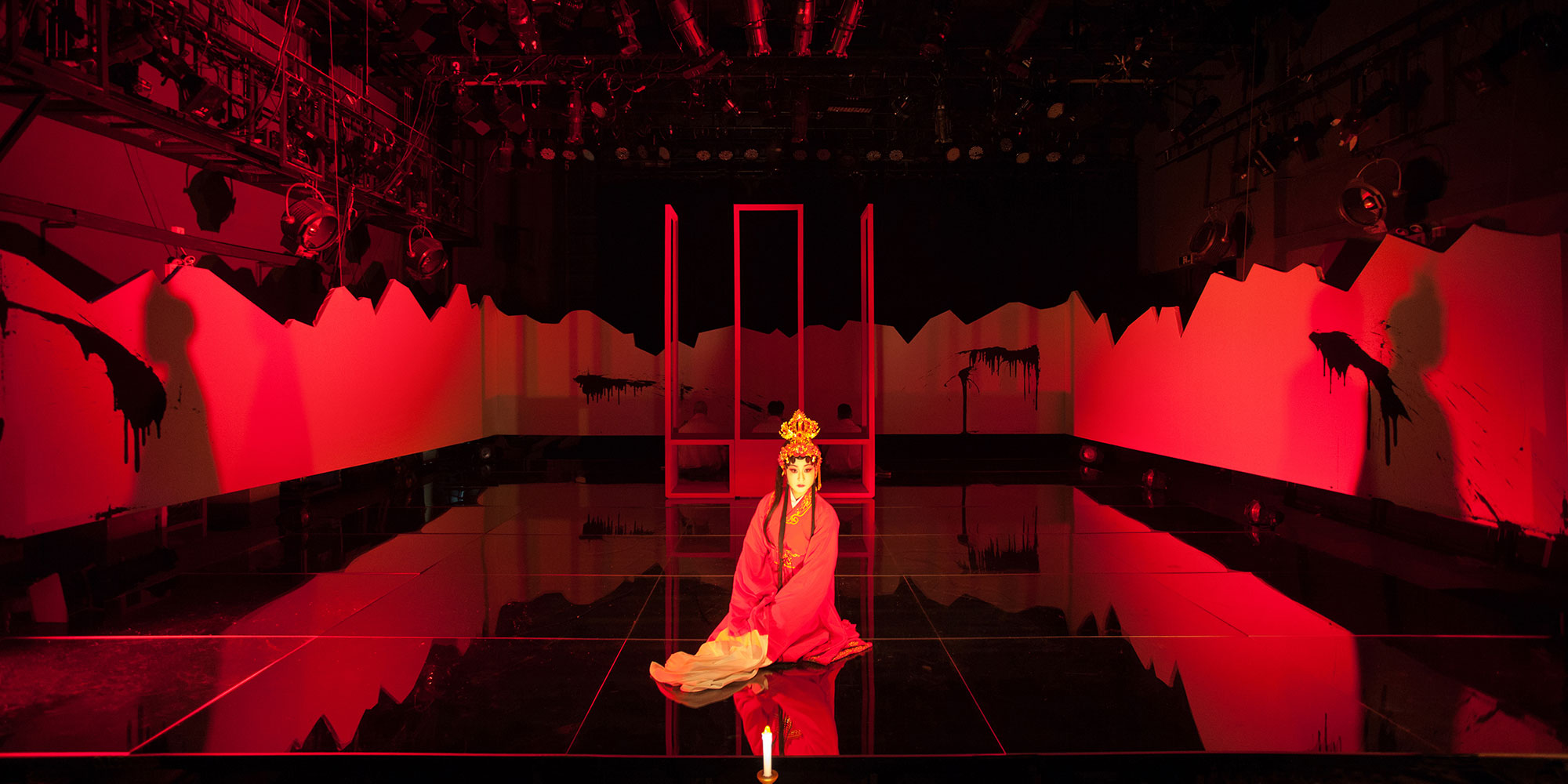
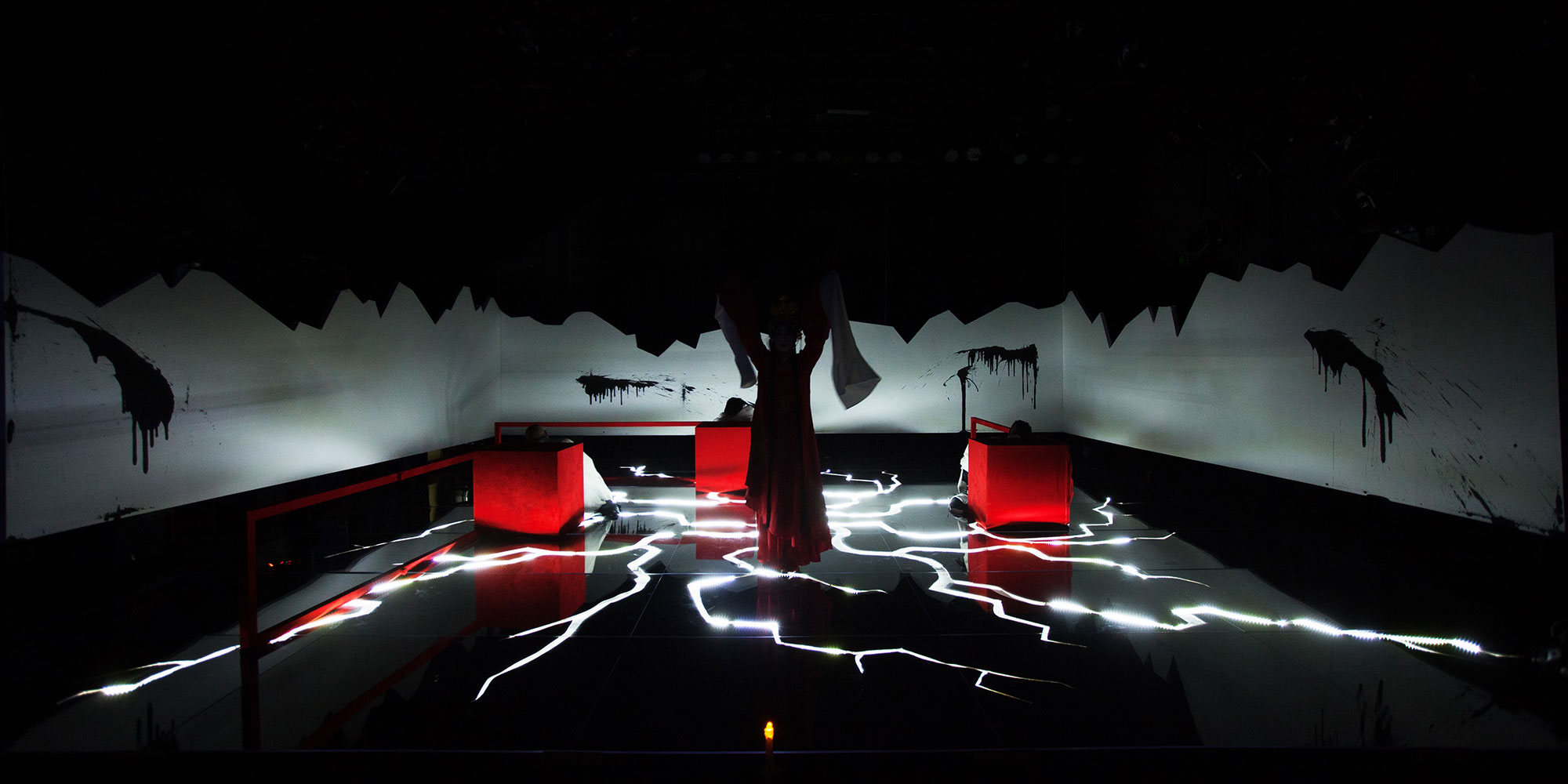
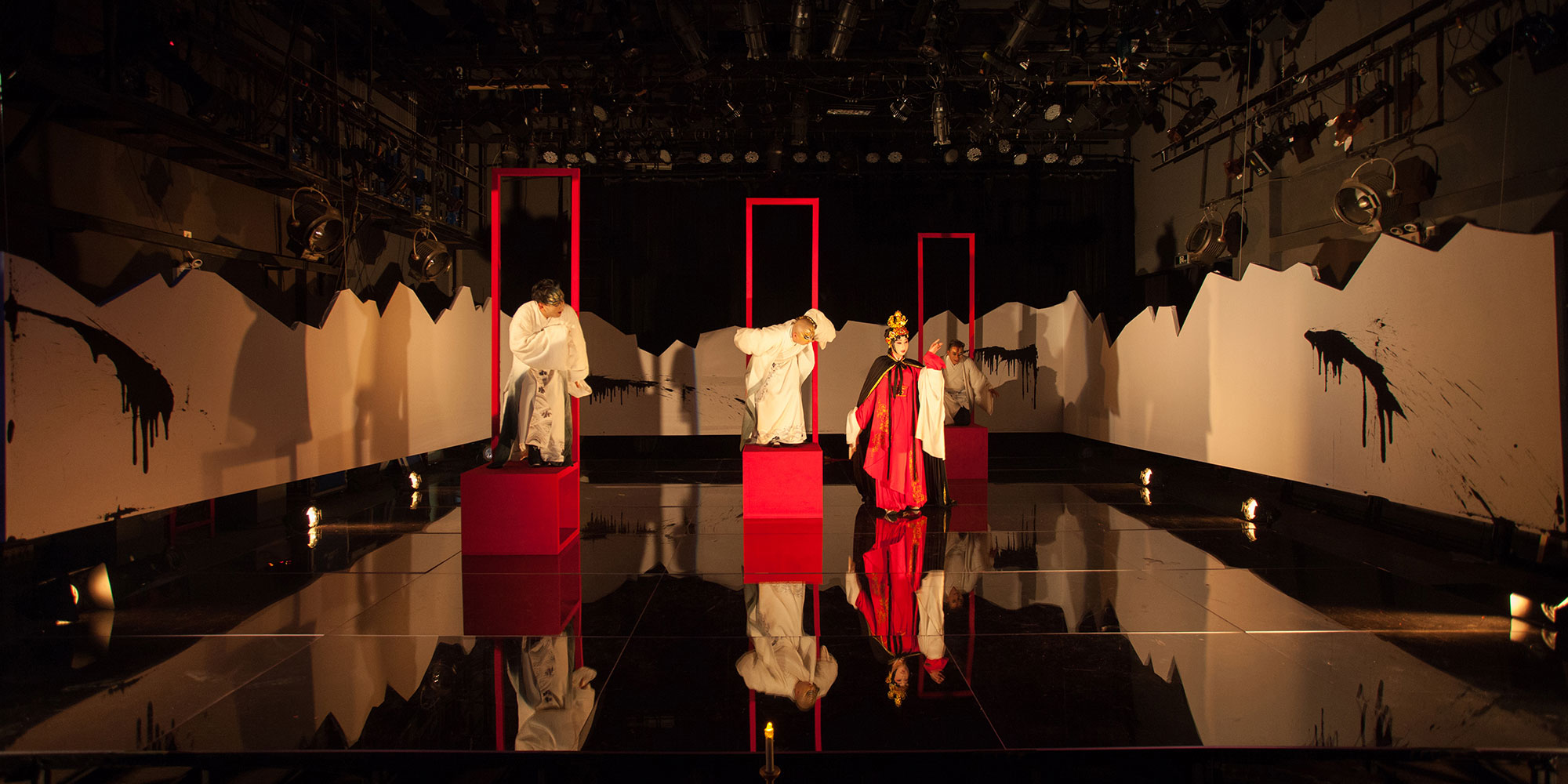
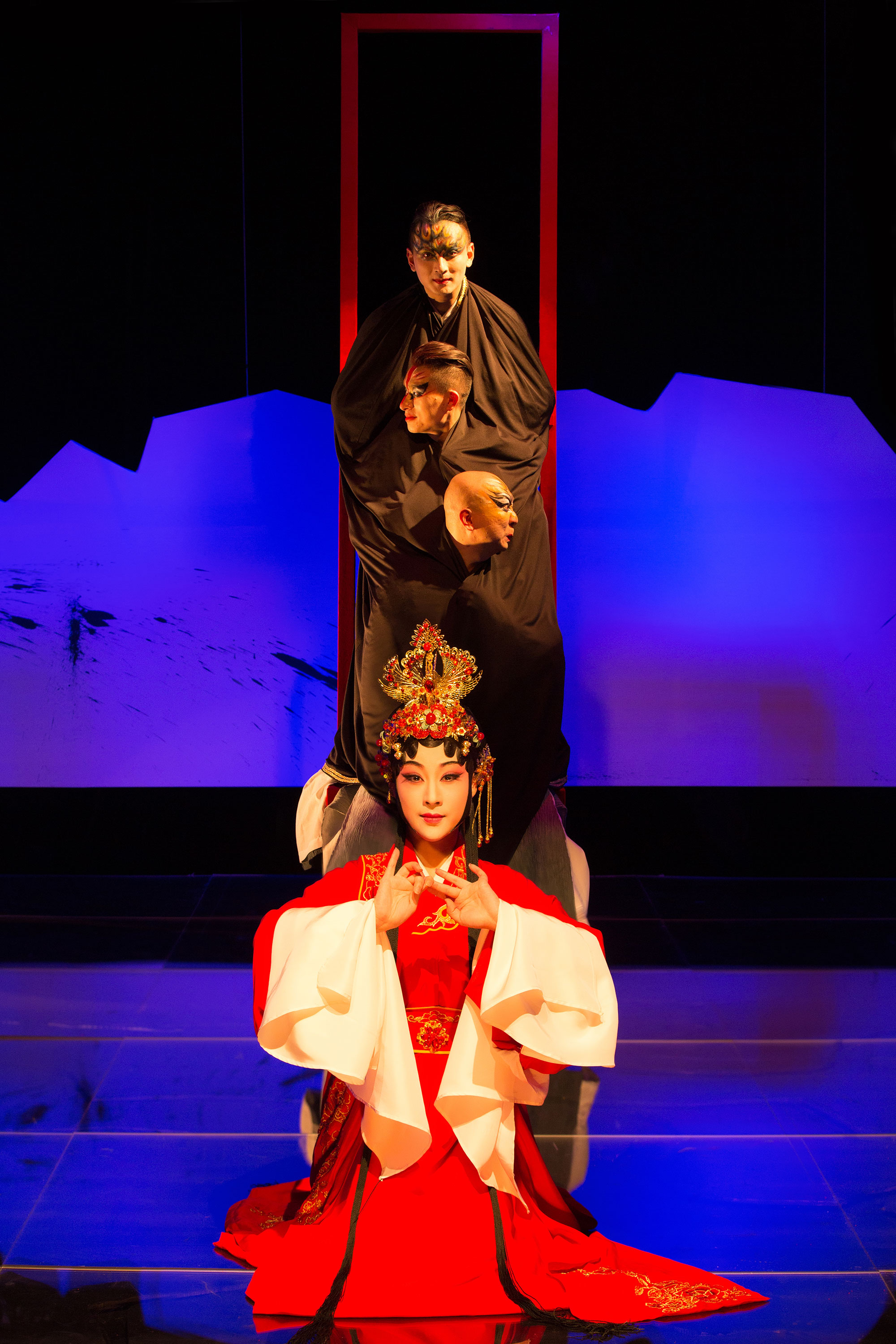
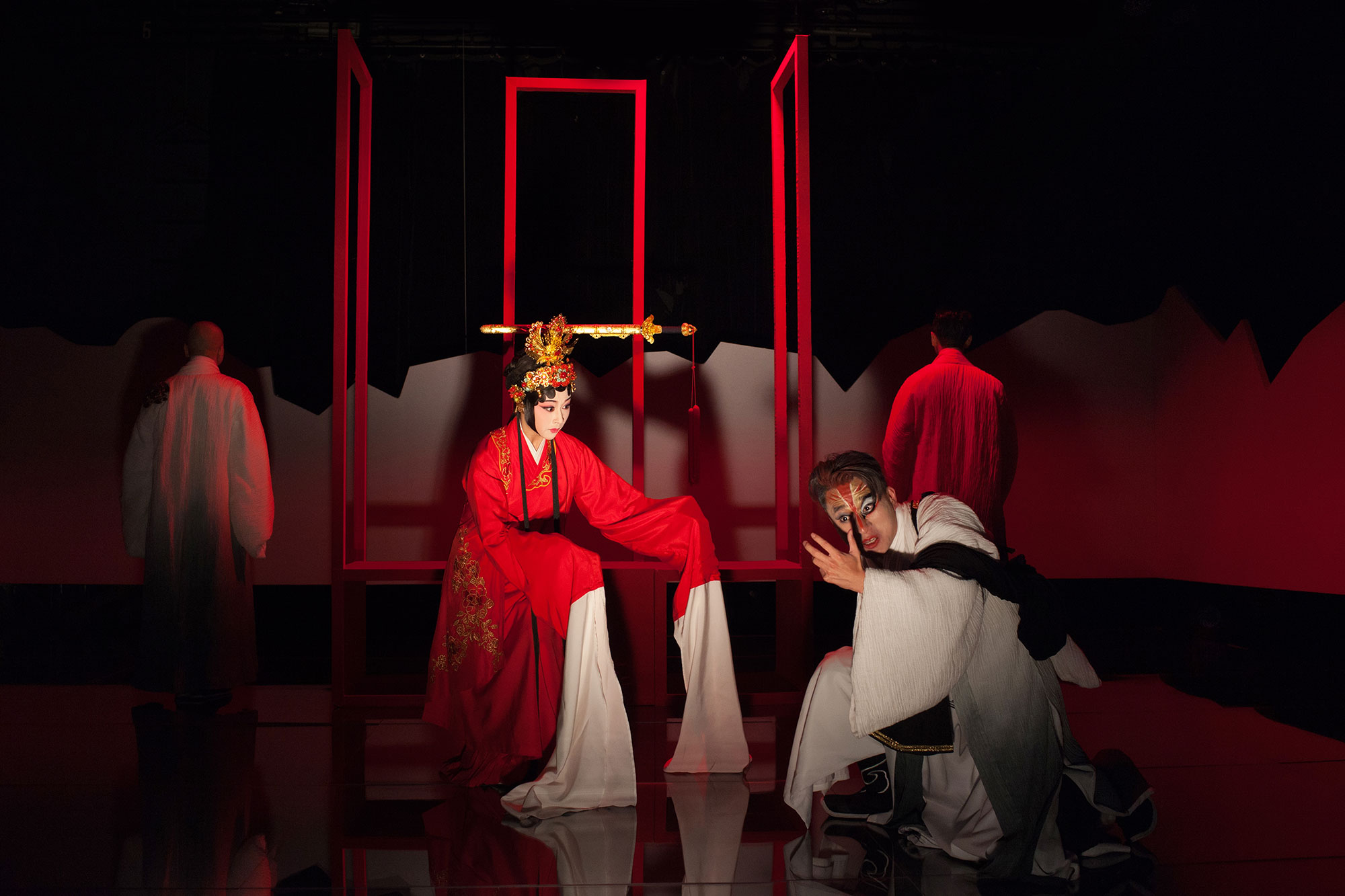
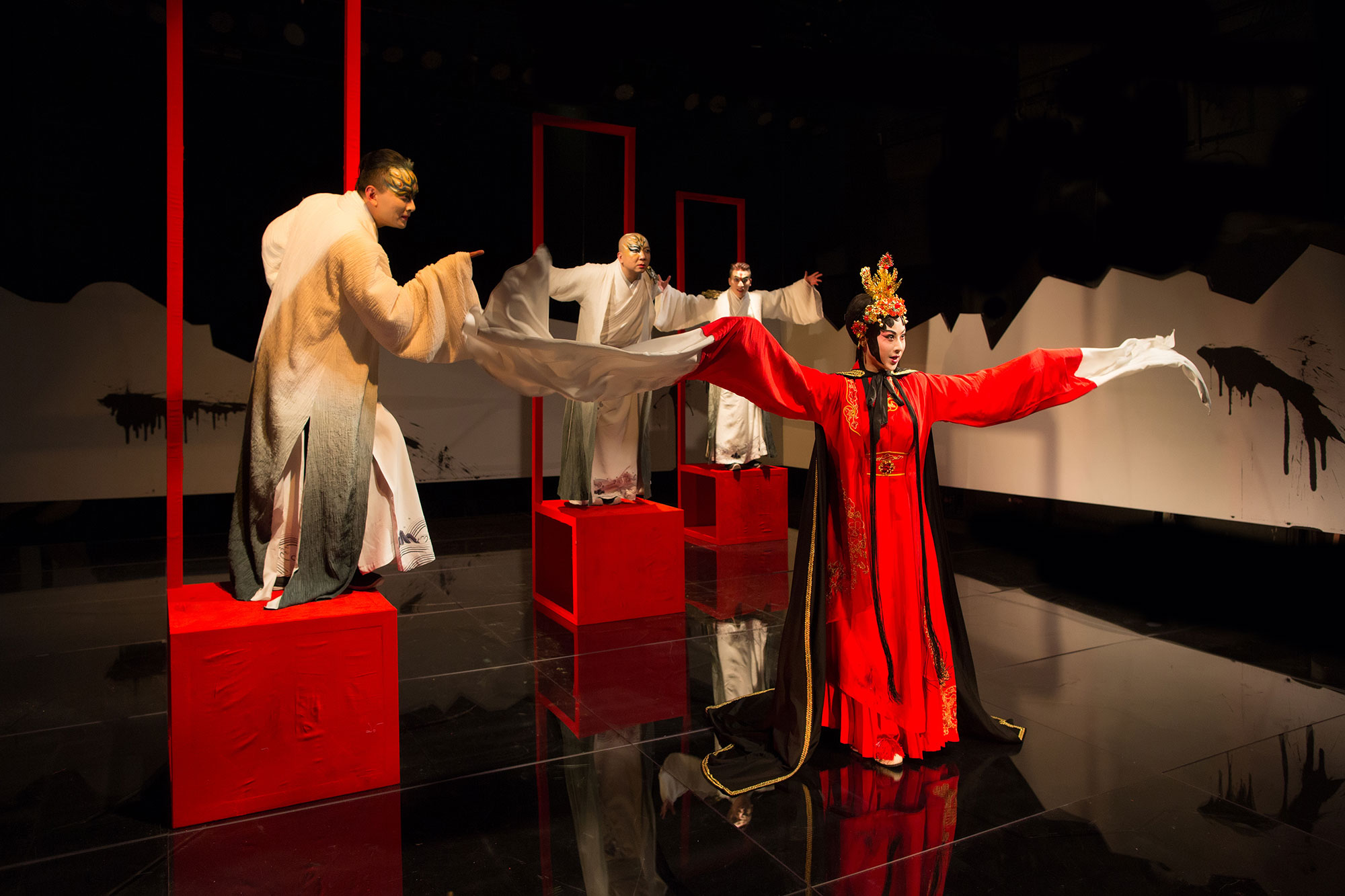
The set design of the play shows the inner world of the characters of Macbeth- a mirror-like stage, a broken wall and three chairs for all movements of the actors and actresses of the play. The mirror creates a space that makes the stage changeful. The broken wall implies that the heart of Lady Macbeth is like ruins. Her minds and emotions go ups and downs, like that of the edges of the broken wall.
The backs of the chairs are three meters high, creating a sense of pressure. The three chairs represent three men and three witches. The chair also symbolizes power and the red color implies blood, indicating satisfying desires by killing. The relation between the three chairs and Lady Macbeth is also the relation between Macbeth and his wife and the relation between desire and Lady Macbeth. The three chairs are appealing but also oppressive to Lady Macbeth. The arrangement and the functions of the three chairs can be changed easily along with the development of the plot. They form different expressions together with the movements of the actors and actresses.
Kunqu Opera Four Famous Plays by Tang Xianzu
Performed by Shanghai Kunqu Opera Troupe
Time of premiere: July 16, 2016
Venue of Premiere: National Centre for the Performing Arts
Scriptwriter: Tang Xianzu
Directors: Xie Ping’an, Guo Yu, Zhang Mingrong, Shen Bin, Shen Kuang, Ni Guangjin
Stage Design: Ni Fang
Lighting Design: Zhou Zhengping
Costume Design: Qin Wenbao Wang Liying Feng Lili Dai Xiuling
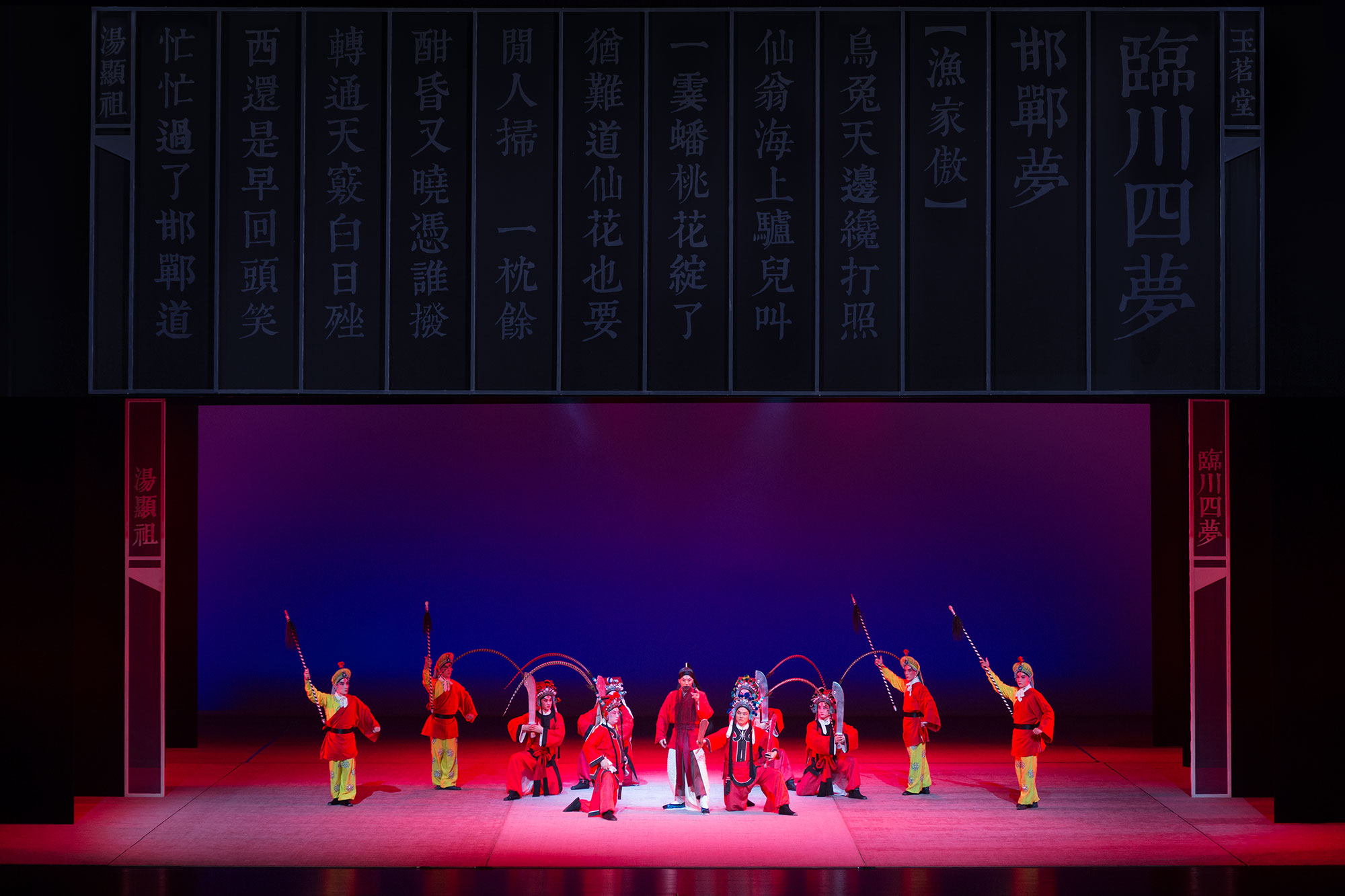
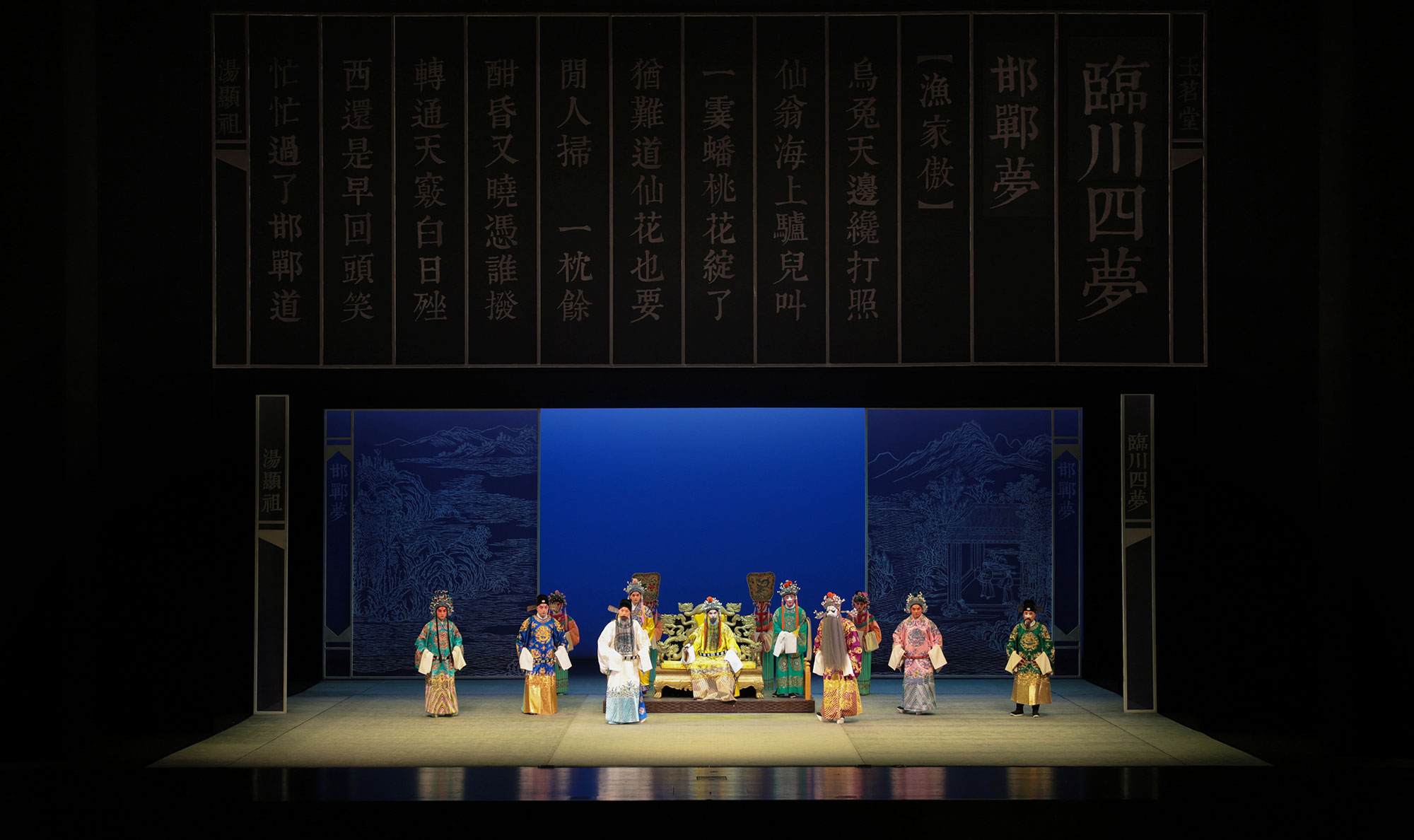
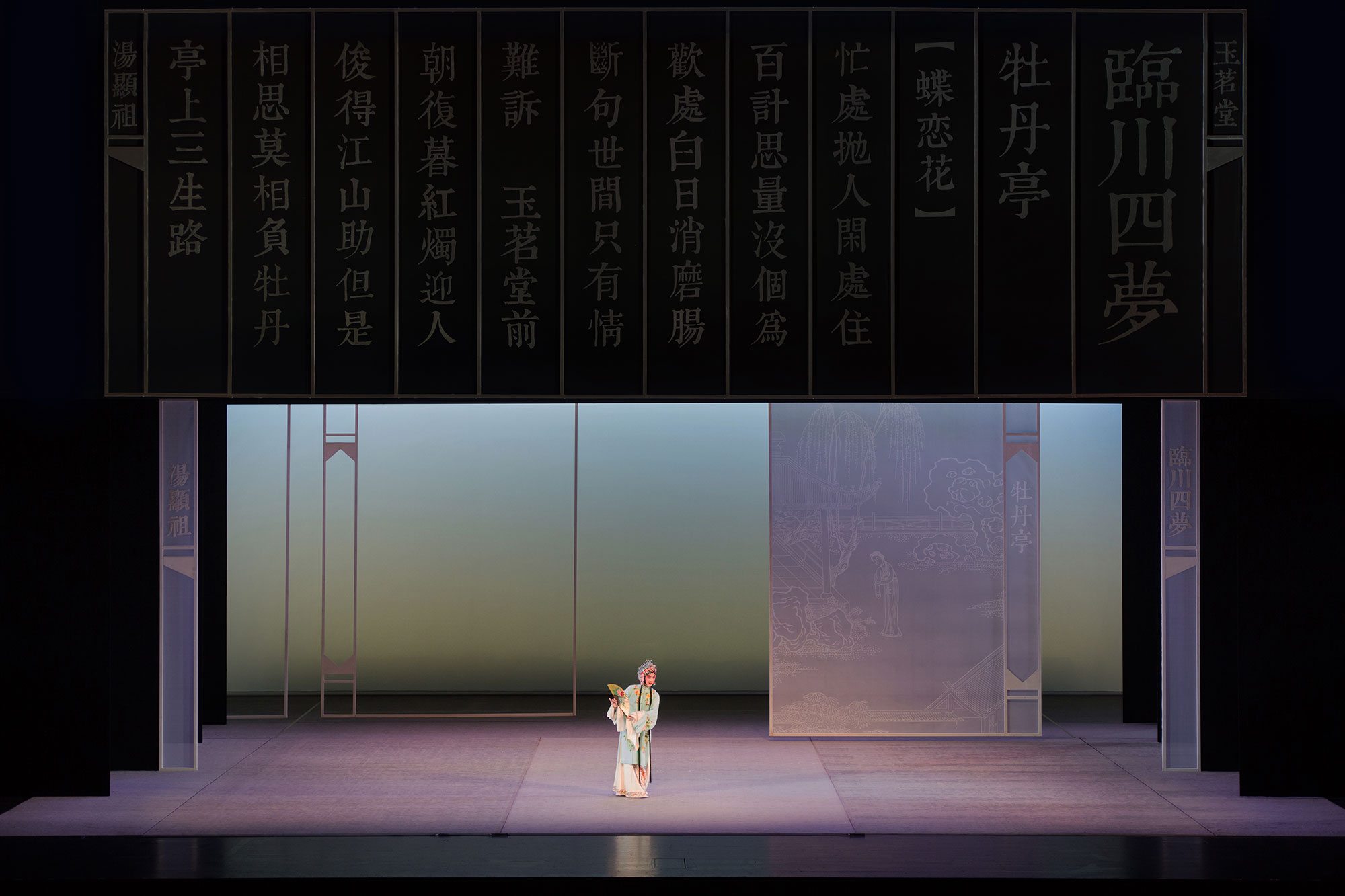
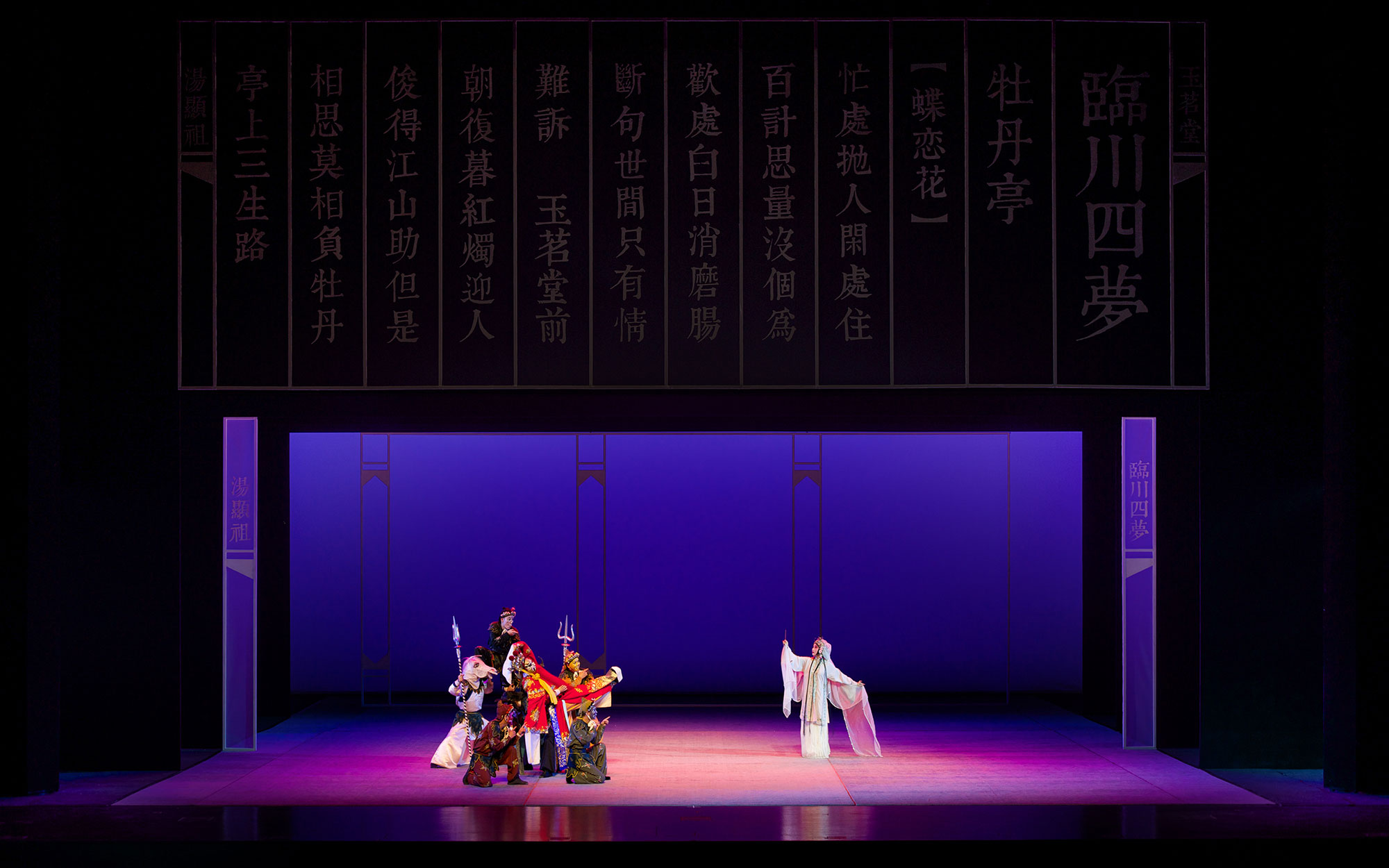
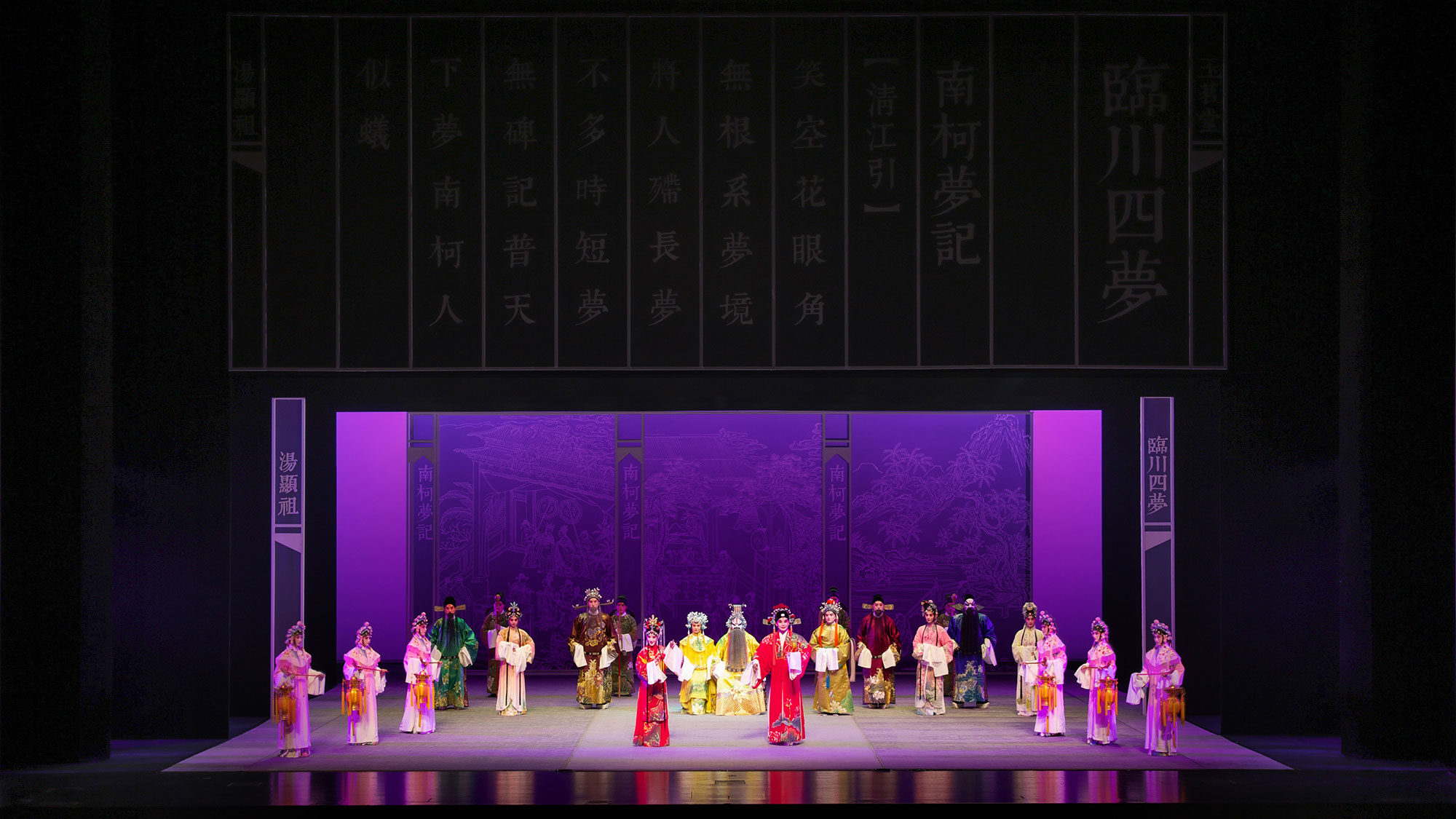
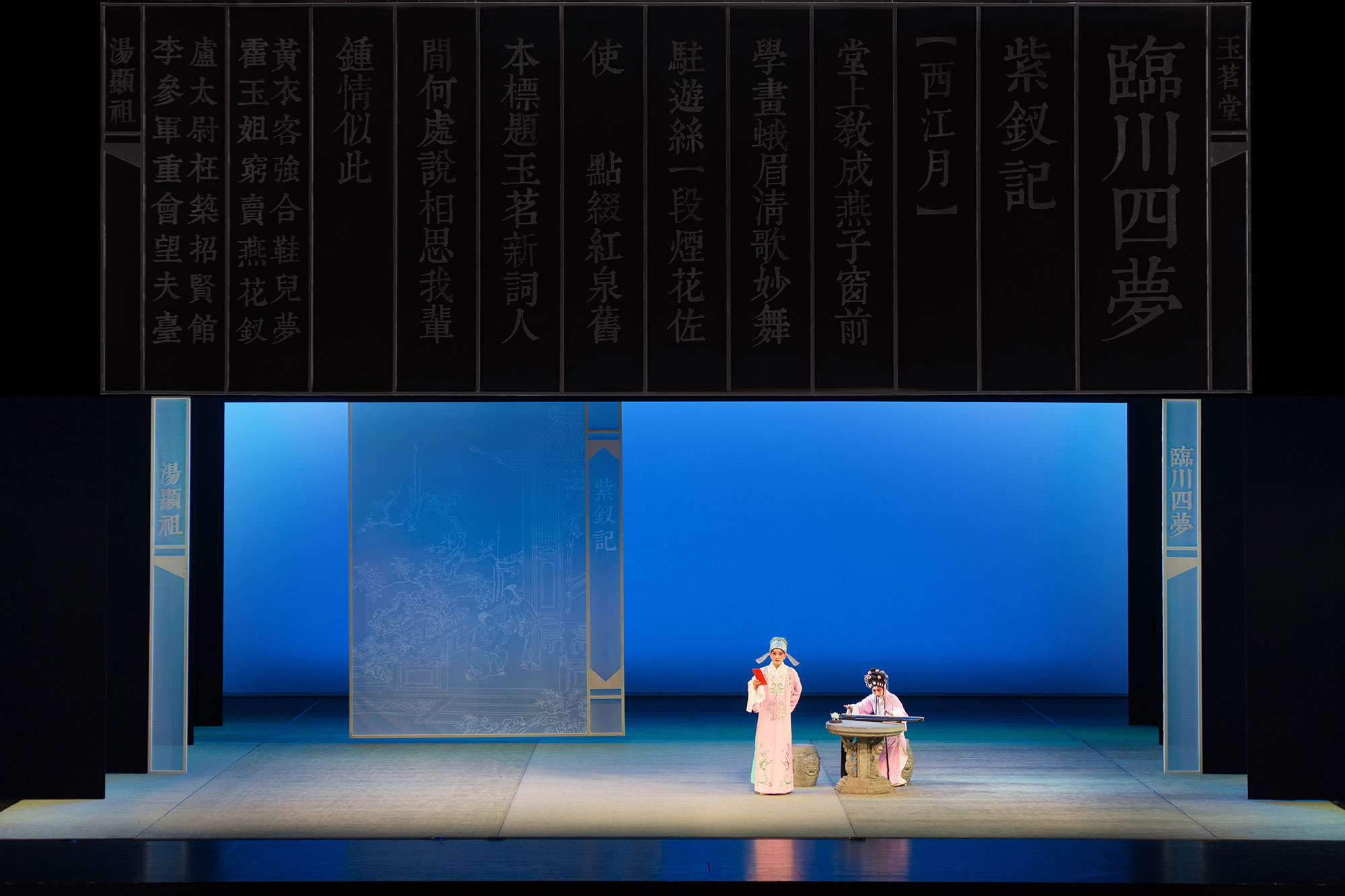
The Four Famous Plays by Tang Xianzu, the Peony Pavilion, Handan Dream, the Purple Hairpin and Nanke Dream, are shown in the same stage space to realize a magic effect that four plays share one set.
The stage space is created with striped screens. Classical paintings of the Qing Dynasty on the four plays are framed in classical books. The changes in the structure make the entire space flexible and serve multiple purposes. Each play is allocated a classical poem from the Four Famous Plays by Tang Xianzu. The four plays are connected with the poems and writings of Tang Xianzu. They share the air and are integrated. They are everywhere, creating a classical and elegant space for the performance of Kunqu.
倪放
国家二级舞美设计,任职于浙江越剧院,中国舞台美术学会理事。
作品曾经参加WSD2009世界舞台美术设计展,2012、2013中国舞台美术与技术邀请展,2014中国舞美创意SHOW,2015中国第三届舞台美术展十佳优秀青年设计师展,2016CISD中国先锋戏剧青年设计师提名乌镇九人展,2017CISD中国先锋戏剧青年设计师提名展,WSD2017世界舞台美术设计展。曾在2009年和2017年分别入选WSD世界舞台设计展,两次获得中国舞台美术学会“学会奖”,并多次荣获国家级优秀舞美设计奖。
昆剧《夫的人》
演出单位:上海昆剧团
首演时间:2015年12月3日
首演地点:上海话剧艺术中心戏剧沙龙
编剧:余青峰 屈曌洁
导演:俞鳗文
舞美设计:倪放
灯光设计:陈晓东
服装设计:李亭逸
技术导演:倪广金
布景设计方案是“夫的人”心灵空间的呈现:镜面舞台、断墙残垣、还有作为本戏演员所有行为支点的三把椅子。镜面呈现一个虚实相映的空间感,让舞台产生出多层次的表演空间。断墙寓意夫的人内心恍如一片废墟,断墙的边缘又像她跌宕起伏的心跳和情绪。
椅背的高度延伸至3米,给人一种压迫感。三把椅子代表三个夫、三个巫。椅子又是权利的象征、红色跟鲜血有直接的联系。寓意通过杀戮获得欲望的满足。这三把椅子跟夫的人的关系,也就是夫和夫的人、欲望和夫的人的关系。三把椅子对夫的人是一种吸引,也是一种强大的压迫。三把椅子可以随着演出需要重组平面布局和改变功能。与演员动作结合时会形成不同表现语汇。
昆剧《临川四梦》
演出单位:上海昆剧团
首演时间:2016年7月16日
首演地点:国家大剧院
编剧:汤显祖
导演:谢平安 郭宇 张铭荣 沈斌 沈矿 倪广金
舞美设计:倪放
灯光设计:周正平
服装设计:秦文宝 王瓈莺 冯丽丽 戴修玲
将汤显祖的《临川四梦》——《牡丹亭》、《邯郸梦》、《紫钗记》、《南柯梦》用同一个舞美空间来呈现,达到“四梦一景”的神奇效果。



 010-64035684
 CISD_Official@cisd.org.cn
 北京市东城区东棉花胡同39号 中国舞台美术学会
移动网络媒体的新闻支持
完善的互联网媒体与交流平台
全球化的学术与行业交流活动
京ICP备14039820号-1